Reports 1-1 of 1 Clear search Modify search
CAL (Gcal general)
dan.chen - 8:09 Friday 25 October 2024 (31424) Print this report
OLTF and noise measurement of Pcal-Y OFS loop

Written by Mitsuhashi, posted by Dan.

[Kohei Mitsuhashi, Shingo Hido, (Dan Chen)]

What we did:

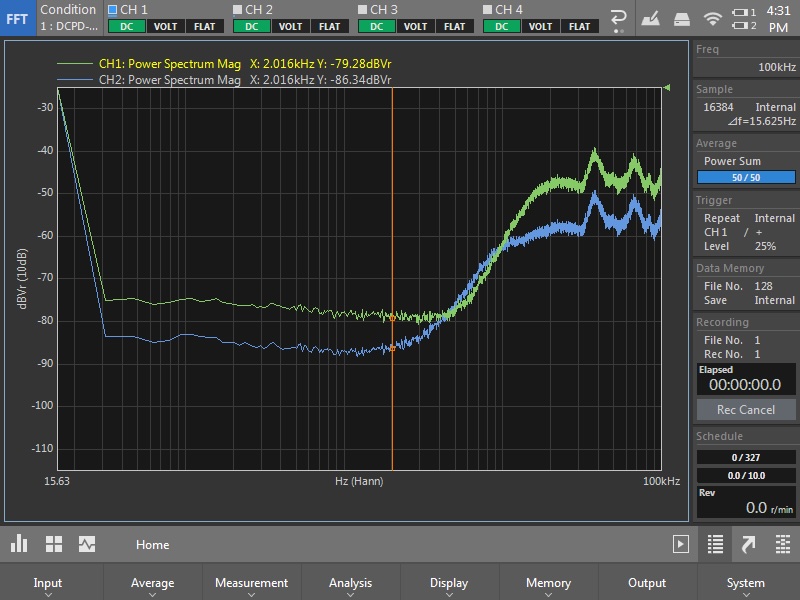
We measured a closed loop gain and  open loop gain of OFS of y-end's Pcal LAZER in analog and, we also measured power spectra of TxPD.

Why we did it:

A previous report said that we can't measured open loop gain in digital and thought that it might be disturbed by  a strange noise peak around 81kHz(open loop gain measurement report : https://klog.icrr.u-tokyo.ac.jp/osl/?r=28137, a strange noise peak report : https://dac.icrr.u-tokyo.ac.jp/KAGRA/DAWG/CAL/PCAL/Pcal_know/210312).
But then the strange noise peak was already disappeared(https://dac.icrr.u-tokyo.ac.jp/KAGRA/DAWG/CAL/PCAL/exp_KAGRA/231204).
To investigate this inconsistent situation, we measured the open loop gain and power spectra on analog.

Results:

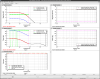
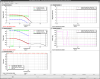
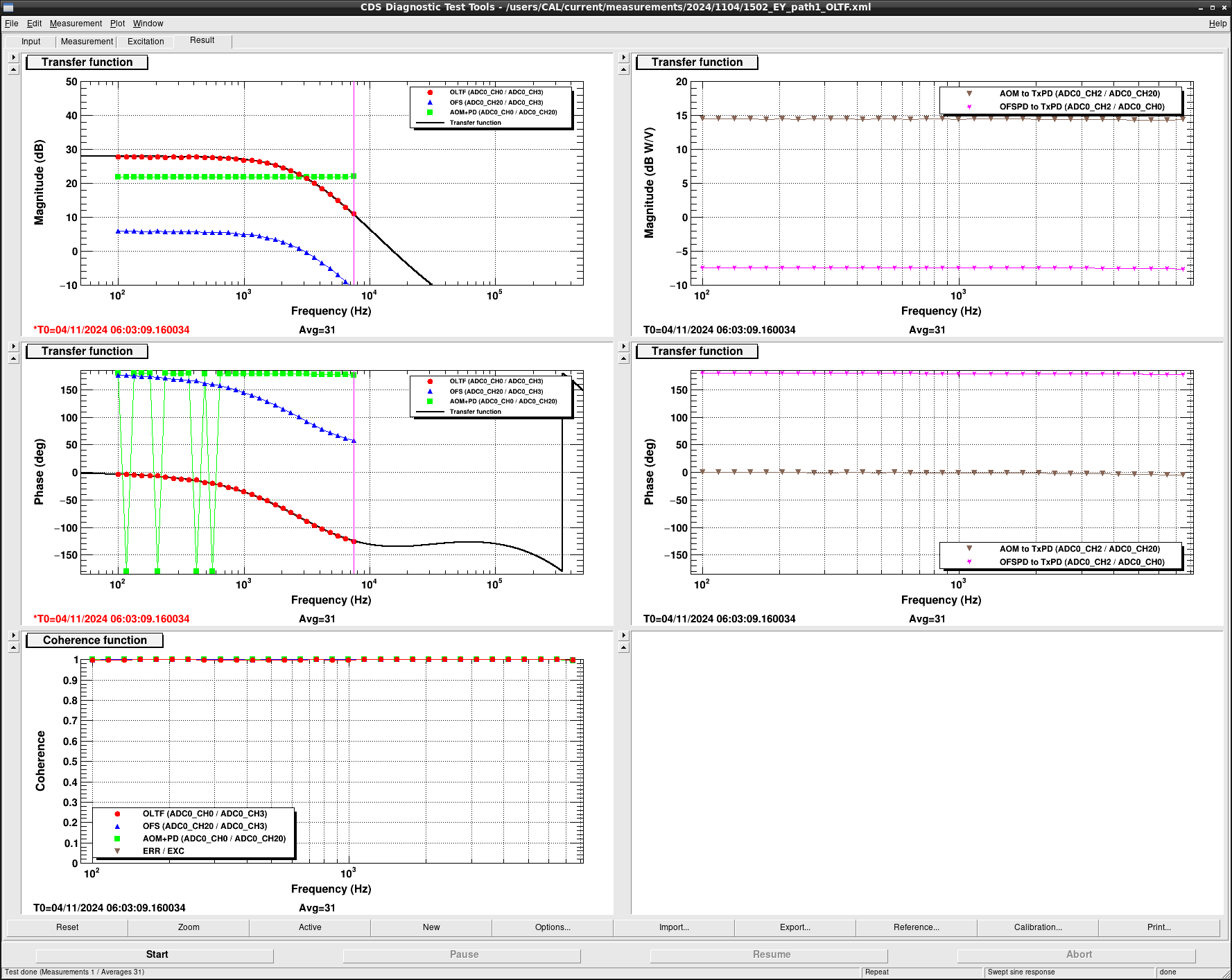
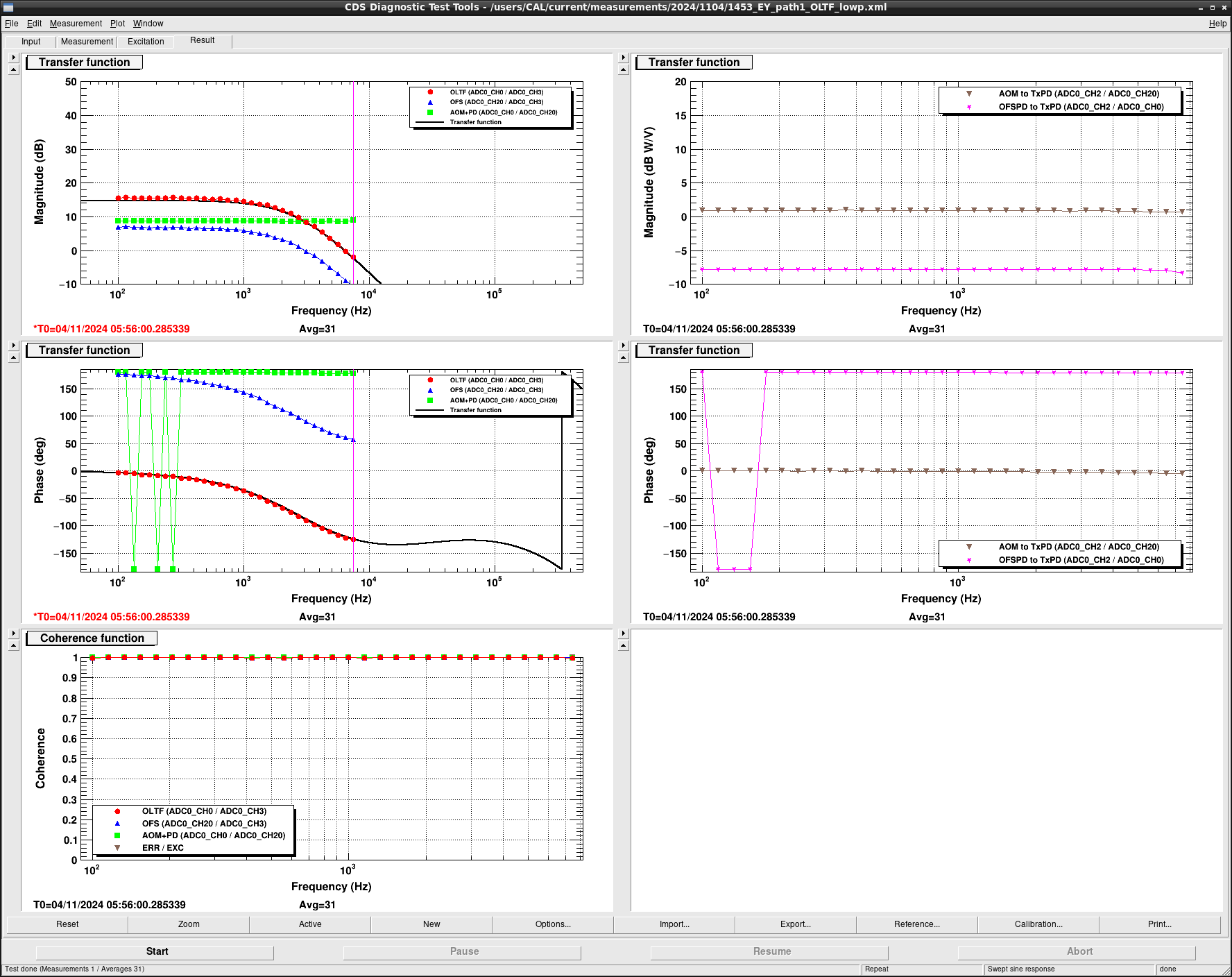
We confirmed that there are no strange peaks around 80kHz(first figure), and measured the open loop TF successfully in analog(second figure).


Images attached to this report
Comments to this report:
Kohei Mitsuhashi - 15:02 Friday 25 October 2024 (31432) Print this report
I attached a picture that is path1's and path'2 OLTF of Pcal-Y OFS loop.
Images attached to this comment
takahiro.yamamoto - 17:39 Monday 04 November 2024 (31495) Print this report

I checked the latest situation also from digital system and OLTF can be measured probably thanks to the absence of 80kHz oscillation.

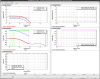
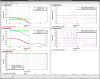
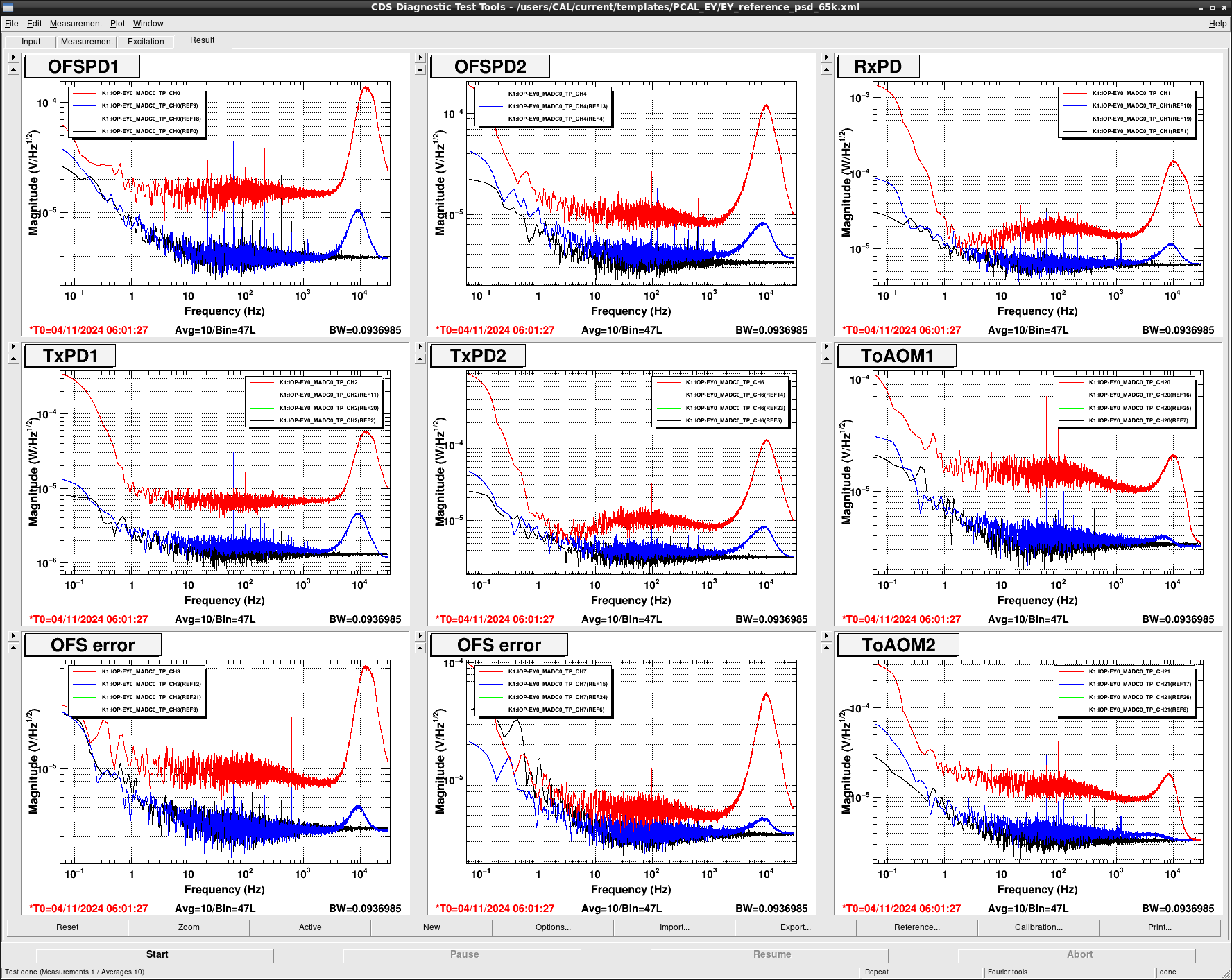
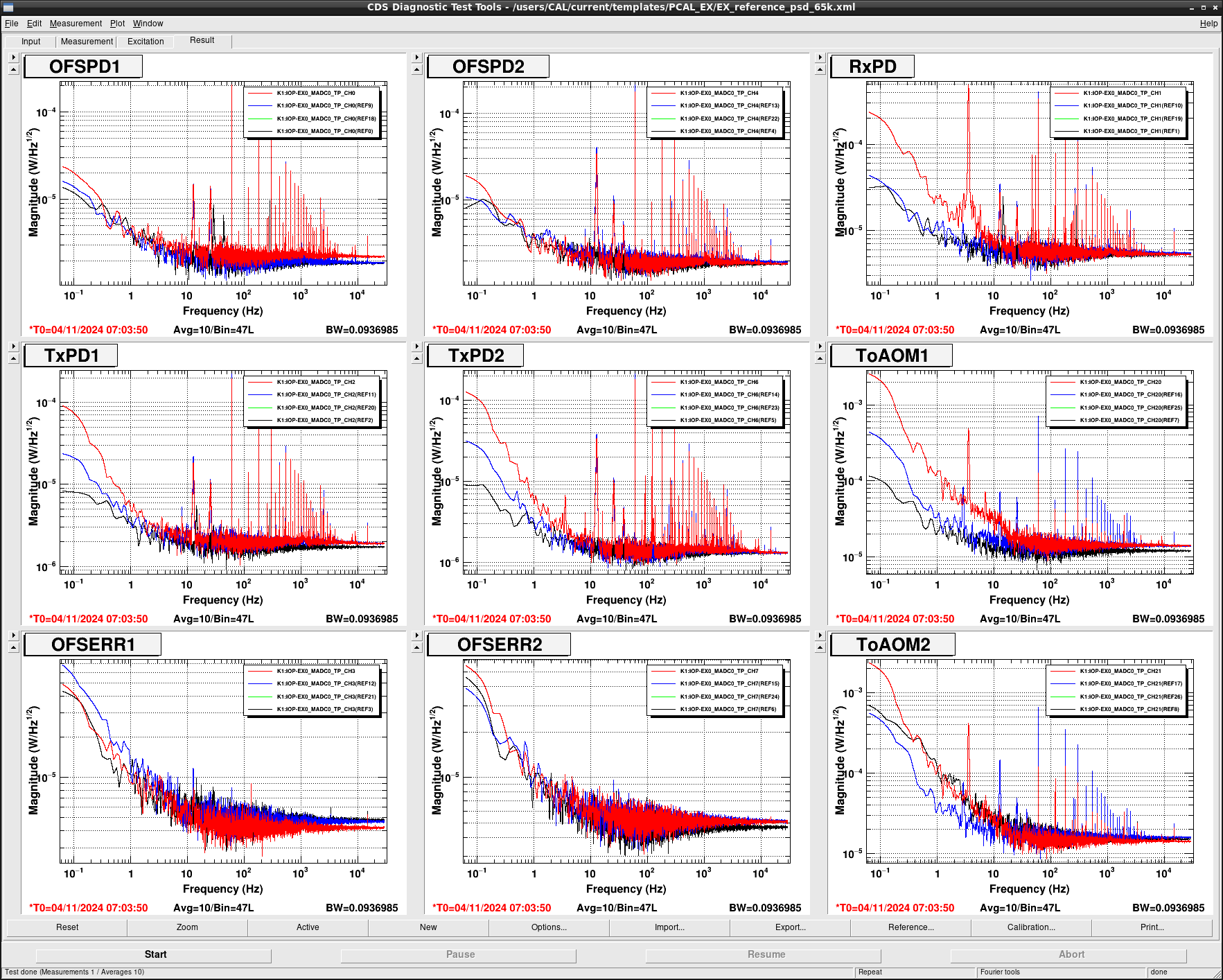
Figure 1 and figure 2 shows OLTF in the high power state of path1 and path2, respectively. DC gain (path1: ~28dB, path2: ~19dB) and UGF (path1: ~15kHz, path2: ~9kHz) are consistent with Mitsuhashi-kun's plot (see also klog#31432). On the other hand, noise excess above 2-3kHz still exists as shown in Fig.3 (I also attached same plot of XPcal for comparing situations as Fig.4. XPcal is also loud by electrical peaks...). In these plots, red and blue curve is spectrum in high power and low power, respectively. We need to hunt this noise excess as the next in order to increase UGF (target is ~60-80kHz?). This noise excess is suppressed by Anti-aliasing filter on digital channels, so it should be more loud in real.

For comparing the situation of low power mode and high power mode, it's better to change the configuration of low power mode. Now gain of OFS servo is same in both low and high power mode. So open loop gain is quite different between two mode. Fig.5 and Fig.6 shows the OLTF in low power mode of path1 and path2, respectively. OFS gain in low power mode should be increased in order to compensate the difference of the laser power and it should be managed by pcal guardian.

Images attached to this comment
dan.chen - 17:47 Monday 25 November 2024 (31755) Print this report

With Shingo Hido

We checked the OFS loop of Pcal-Y.
What we found:

  • With high OFS gain (Path1 = 5.0 V, Path2 = 5.0 V), the signal is likely to be saturated behind the VGA.
    • We observed the signal at the error port and multiplied by the gain of AD8336.
    • As the error signal had about 1.9Vpp, the output of the AD8336 should be saturated.
  • With low OFS gain (Path1 = 0.0 V, Path2 = -0.6 V), it does not appear to be saturated.
    • In this case, the output of AD8336 should be around +-10V
  • In the case of low gain:
    • If we use small injection line amplitude (~0.1V), the noise looks fine.
    • But if we use high line amplitude (~1V), the harmonics appeared. The largest harmonics was 1/10 (-20dB) of the main peak.
  • We guess this issue is caused by the high-frequency noise pointed out by YamaT-san.
  • We can use an aditional PDA to check if this noise is caused by the laser source or the circuits in Tx module.
dan.chen - 17:39 Tuesday 26 November 2024 (31778) Print this report

With Shingo Hido

Summary

Today, we checked if the laser power noise can be improved duo to the stabilization settings of the laser source.
But unfortunately, the noise at high frequency could not be improved.
We need a discussion, but next measure is to install a LPF somewhere to reduce the high freq noise?

Details

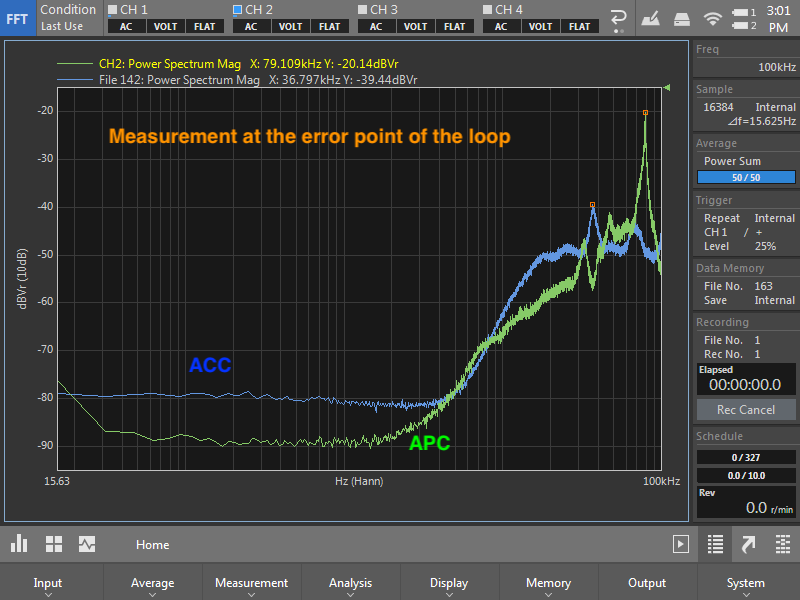
  • At first, we changed the stabilization mode of the laser source itself from ACC(Automatic Current Control) to APC(Automatic Power Control). (Fig 1)
    • The noise at LPD at low frequency was improved, but at the high frequency it did not.
    • The shape of the noise was chaned so that these noise are probably produced by the laser source.
    • In the case of APC, a very high peak at 80kHz appeared. (This can be the same noise reported on here)
  • We also changed the parameters of the laser stabilization modes to see if the noise become lower.
    • What we changed were: IC1, IC2 used in ACC, CPU used in APC.
    • When we use APC and high output power, the 80kHz peak noise appeared.
    • Flat noise at high frequency could hardly be reduced by any of the settings.
  • What we can do for it
    • Install a LPF just after the OFSPD signal?
    • Or, if we just use 0.1V amp for the Pcal-Y line injections, the loops look working fine. (But probably 0.1V ~ 0.1W injection is too week for the current sensitivity.)
    • (I really want to change the laser source...)
Images attached to this comment
Search Help
×

Warning

×