Miyakawa, Tanaka
## Abstract
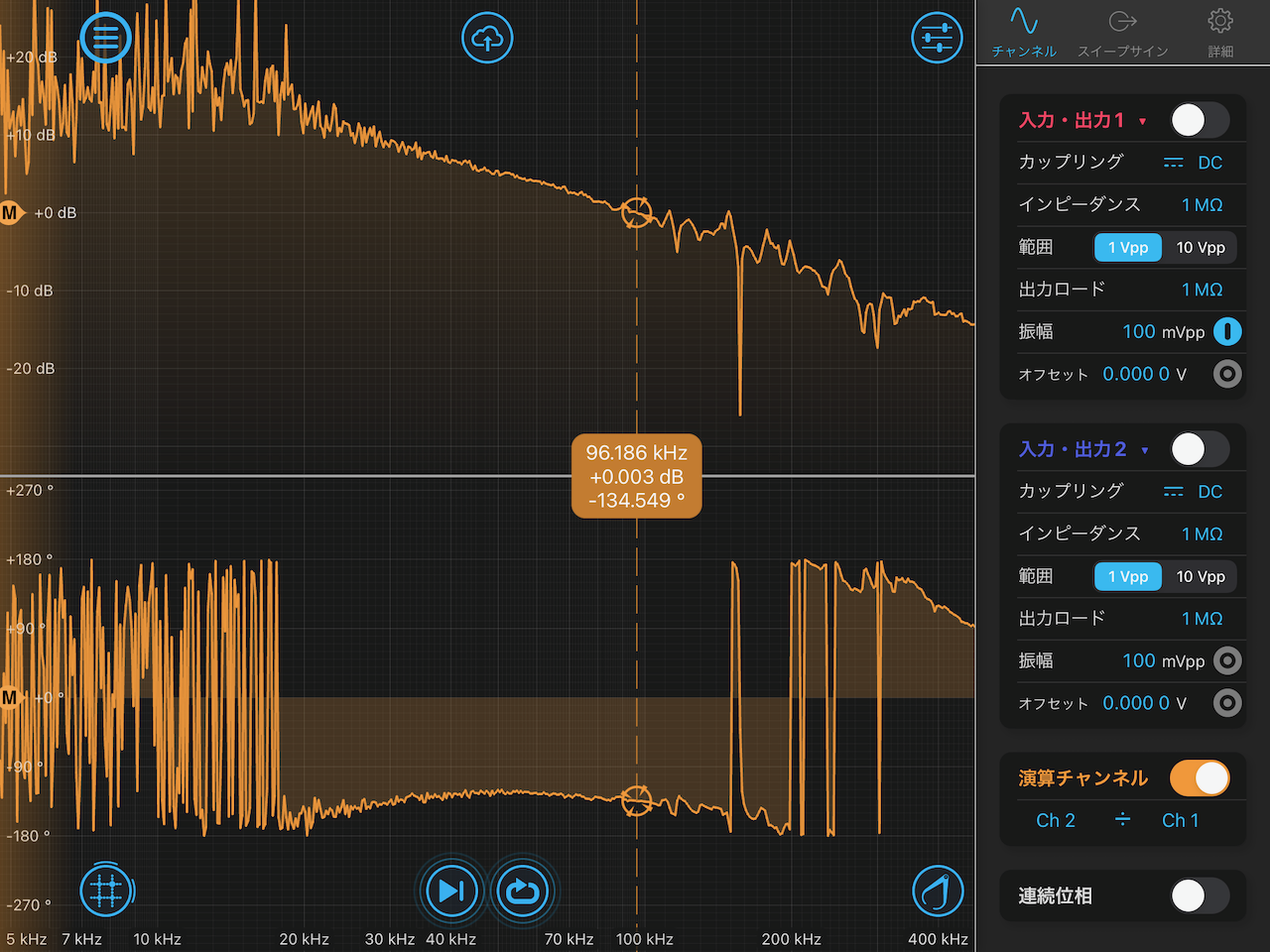
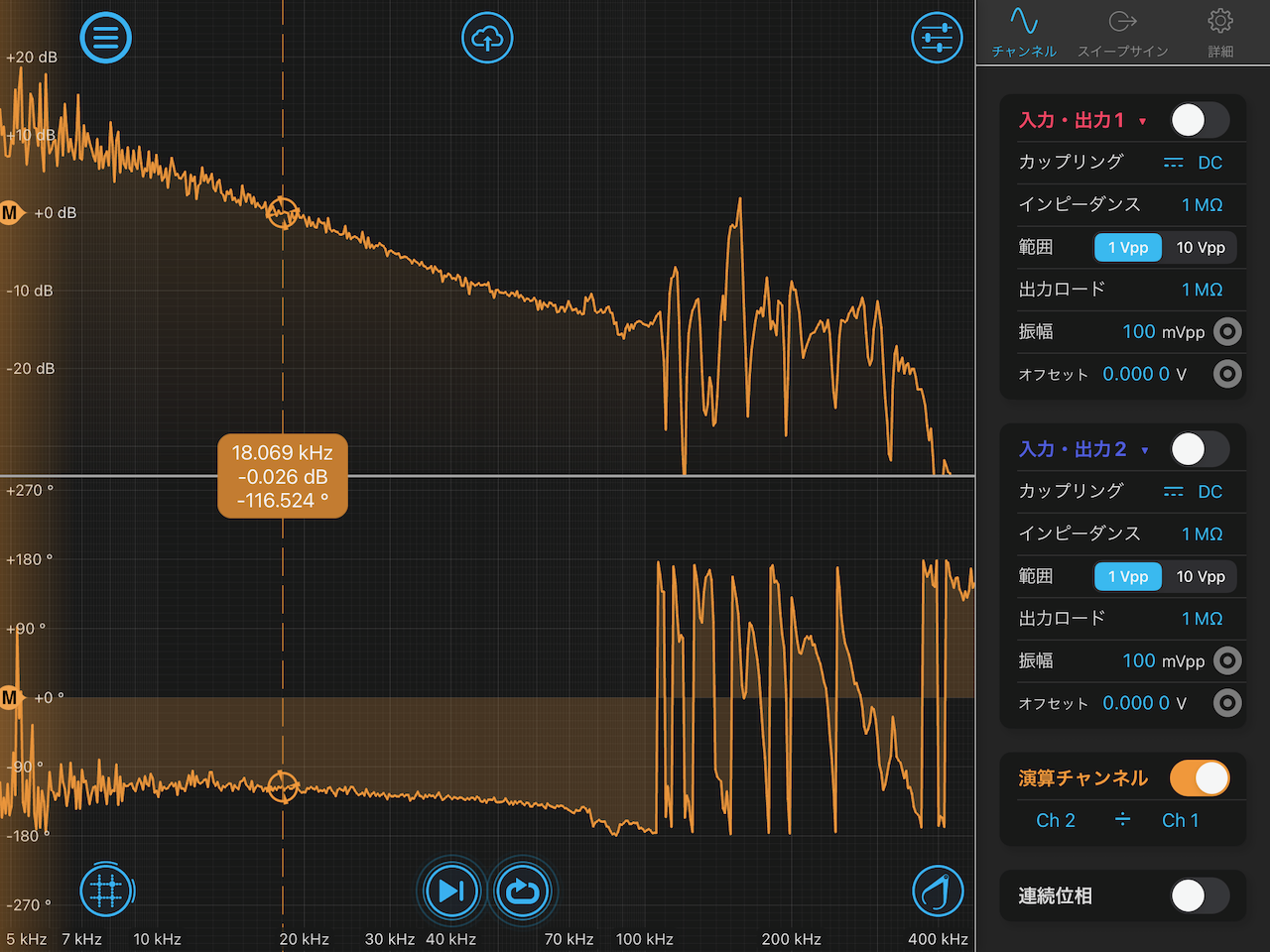
We locked IMC with the new NeoLASE high-power laser. The measued UGF ~96 kHz, and the measured cross-over frequency between PZT and EOM was ~18 kHz. These values was almost consistent with the current fiber laser's ones (UGF: ~100 kHz, cross-over: ~14 kHz) in klog29073. The lock duration was ~15 mins in this time but this lock loss was requested by us. The lock itself seems to be stable.
## What we did
- First, we switched from a current fiber laser to a NeoLASE laser. The switching procedure is written down as below for future myself.
- Turn on a chiller, power supplies for the NeoLASE laser. Connect to a laser control PC via ssh and open a laser controller app. Disengage an interlock after turning on power supplies by holding to a "STOP/RESET" button in the laser controller screen.
- Decrease a laser power of a fiber laser to ~1W, and block the laser from the fiber amp by putting the beam dumper in front of the lens whose focus length is +124.9 mm before M2 in the PSL layout.
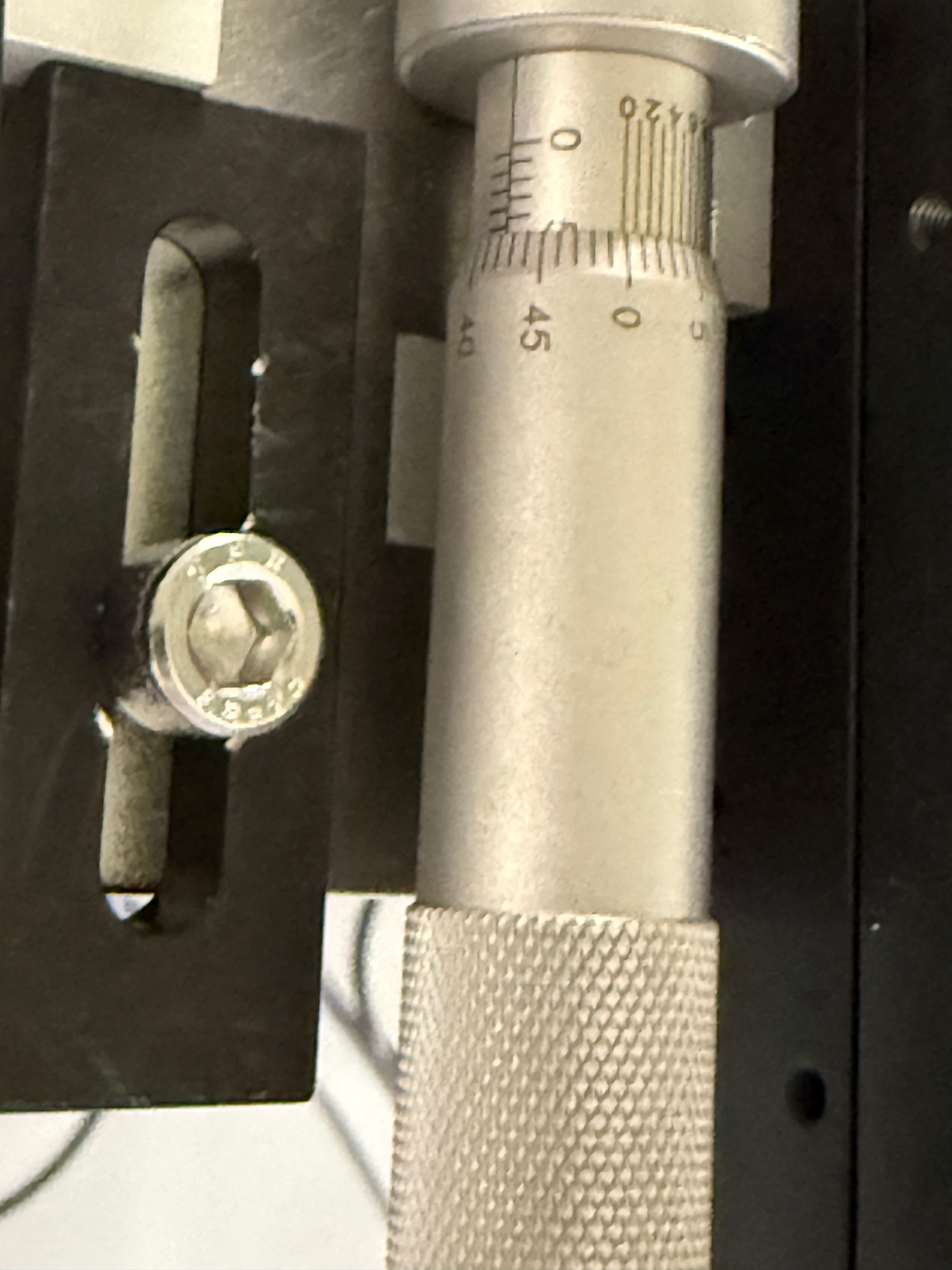
- Move the steering mirror position on the X-stage to just 5mm scale on the micrometer (see fig. 1 in klog22405). (fig.1)
- Then, we switched an EOM for PMC lock. First, turn off the RF output of the LO for PMC lock. Next, disconnect a SMA cable from the current fiber EOM for PMC lock, and then connect the cable to the EOM port on the side of the NeoLASE laser box. At last, turn on the RF output.
- we switched the cables for the laser frequency control (PZT, Wideband EOM, temperature).
- Push a "START" button and then start the laser emission. In this time, when we set both Diode current values to 0 A, the power on the power meter at the reflection side of the PBS was several hundreds mW. According to Miyakawa-san, current polarization before PBS is set so that the trans. and refl. powers of PBS were almost same.
- We found that the alignment to PMC became bad maybe becasue of the water leak in this Monday(klog31757). So we aligned the beam by tweeking the steering mirrors' alignment in the high-power laser beam path before AOM in order to maximum the TEM00 trans. power of PMC.
- According to Miyakawa-san, the beam mode was bad when the Diode current was lower than 9A. However, we were afraid of turning up the power with the alignment out of alignment and the diode current set to 9A, so we first turned the HWP in front of the PBS to reduce the amount of laser light going to the PMC, and set the diode current to 3A. In this state, we adjusted the alignment to the PMC so that the TEM00 power of the transmitted light would increase again, and then repeated the process of increasing the current and adjusting the alignment. As a result, the current value was 7A, and the transmitted light power of the PMC was about 1.8W.
- Then, we modified IMC guardian to set the HWP angle of the power adjuster to 38 deg so that the IMC input was 1.4 W when PMC trans. power was 1.8 W. And also, we modified IMC guardian to flip the sign of IMC SERVO FAST path becasue in the case of the NeoLASE laser, the sign was reveresed when compared to the fiber laser case, according to Miyakawa-san. This setting was the same as the one in klog31735
- We tried to lock IMC in this setting. However, IMC went down at the moment of engaging COMBOOSTs. This phenomenon was also the same as the one in klog31735. In this time, we could engage 1-stage COMBOOST. So we measured the OLTF in this state. We found that a UGF was ~20 kHz but a phase at the UGF was almost 180 degrees! This indicates that the sign of the current FAST path was wrong. So we reflipped the sign of the FAST path. After that we locked IMC with 1-stage COMBOOST agian and measured the OLTF. Then, the phase improved to 120 degrees. In this state, we could engage COMBOOSTs by 3-stages. Furthermore, we adjusted the UGF to ~100 kHz by increasing the IN1GAIN from 15 dB to 22 dB(fig.2).
- Then, we measured the cross-over frequency between the wideband EOM and the PZT, and found that the frequency was ~18 kHz (fig. 3). The UGF and the cross-over frequency are almost consistent with the current fiber laser ones (UGF: ~100 kHz, cross-over: ~14 kHz) in klog29073.
- The lock duration was ~13 mins in this time (fig.4) but this lock loss was requested by us. The lock itself seems to be stable.
- After the lock trial, we restored the settings.