Reports 1-1 of 1 Clear search Modify search
IOO (Laser Bench)
yoichi.aso - 17:42 Tuesday 29 August 2023 (26523) Print this report
PSL polarization study

Kawabe, Shibai, Aso

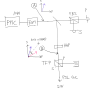
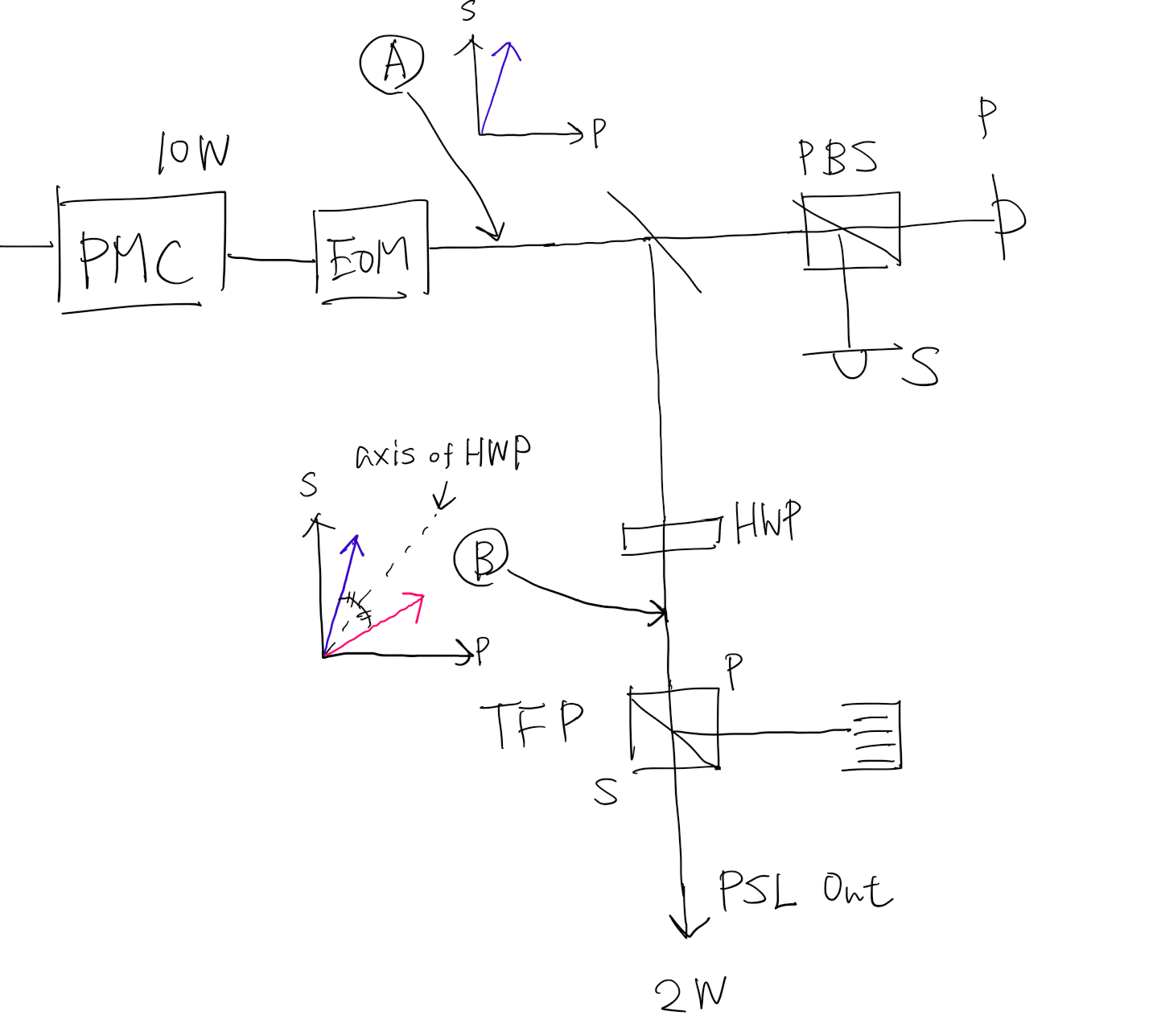
In order to understand the cause of the strange drift in the PSL output power, we moved the polarization analysis optics from the PMC transmission to after the first EOM.

More specifically, we picked up the transmitted beam from the steering mirror M10 in the attached optical layout.

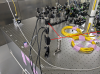
Then we put a PBS and two PDs to monitor the power of the transmitted (P-polarization) and the reflected (S-pol) beams (attachement 2).
The channel names for those signals are:

S-Pol: K1:IOP-IOO1_MADC1_EPICS_CH20
P-Pol: K1:IOP-IOO1_MADC1_EPICS_CH21

The above channels were used to monitor the polarization contents of the PMC transmission before.
We removed the ND filter from the PD and the gain is set to 40dB for both of them.
We left the PSL around 1PM on 2023/8/29JST (4AM UTC).

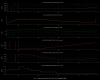
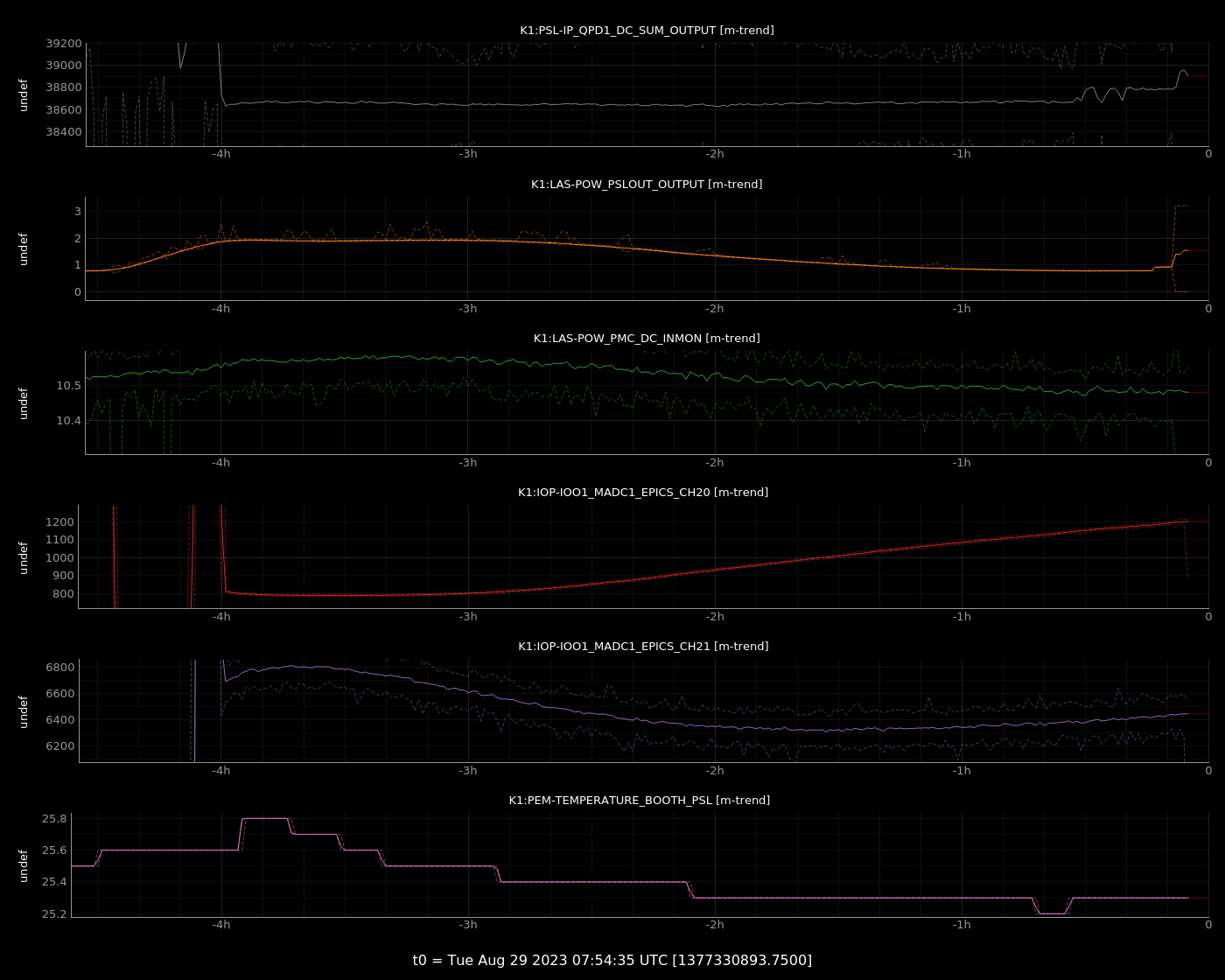
The attachment 3 shows the trend of the power at various positions on the PSL.

Note that S-pol power after the EOM increased while the PSL output power decreased. It looks like a contradiction at first glance.
However, this could be explained as follows:

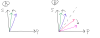
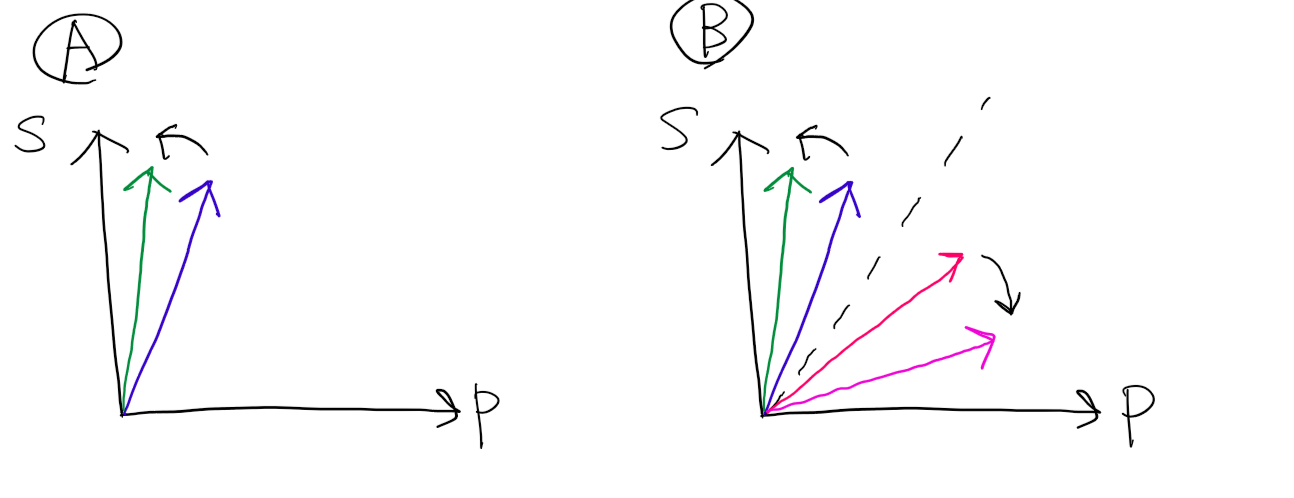
As shown in the attachment 4, initially the polarization state is mostly in S-pol (A). 
Currently the PMC power is about 10W while the PSL out is 2W. This means, before the TFP the polarization is rotated to be P-pol dominant as shown in (B).
When the HWP axis is adjusted like that, if the polarization is rotated by the EOM to increase the S-pol content (from blue to green in the attachement 5), the polarization state after the HWP has less S-pol content (red to pink in (B) of attachment 5). Therefore, we can explain the above behavior.

However, as the trend plots show, near the end of the plot, both S-pol and P-pol increases. This cannot be explained by the above theory.
In fact, as the PMC output power is almost constant, this behavior breaks the conservation of the energy.
We don't know how to explain it at this moment.
 

Images attached to this report
Comments to this report:
keita.kawabe - 19:09 Tuesday 29 August 2023 (26526) Print this report

Aso-san's explanation is correct, but you might be confused as "P" is reflected by TFP and "S" transmitted in his diagram, which is contrary to what all polarizing beam splitters do including TFP.

This is because Aso-san's "P" and "S" are relative to the PMC beam plane or the table plane (i.e. vertical is S, horizontal is P) but TFP is angled vertically, not horizontally. Reflection of the first TFP goes down toward the table surface, is caught by a steering mirror inside the TFP housing and comes out horizontally. I couldn't find an assembly drawing (there's a drawing for each housing part: D1808563) but I attached a drawing for aLIGO TFP assy which seems to be basically the same as KAGRA's.
 
This means that S for PMC is P for TFP, therefore transmitted, and P for PMC is rejected.

Images attached to this comment
yoichi.aso - 14:33 Wednesday 30 August 2023 (26535) Print this report

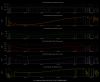
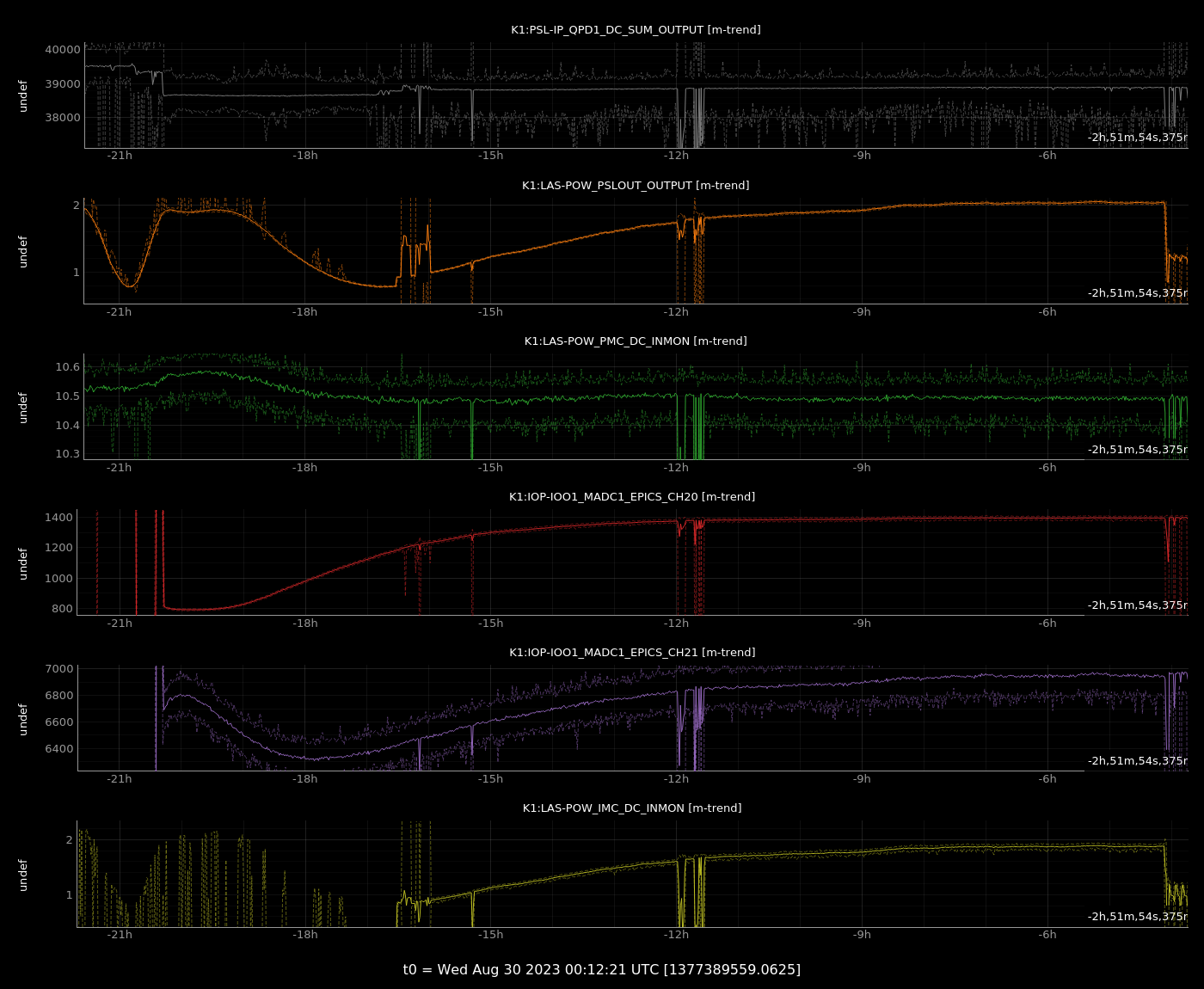
Attachment 1 shows a longer term trend of the PSL output power and polarization.

While the PSL output changes by a factor of two, the S-pol power (CH20) changes by a factor of 1.75.
The P-pol changed by about 10%.

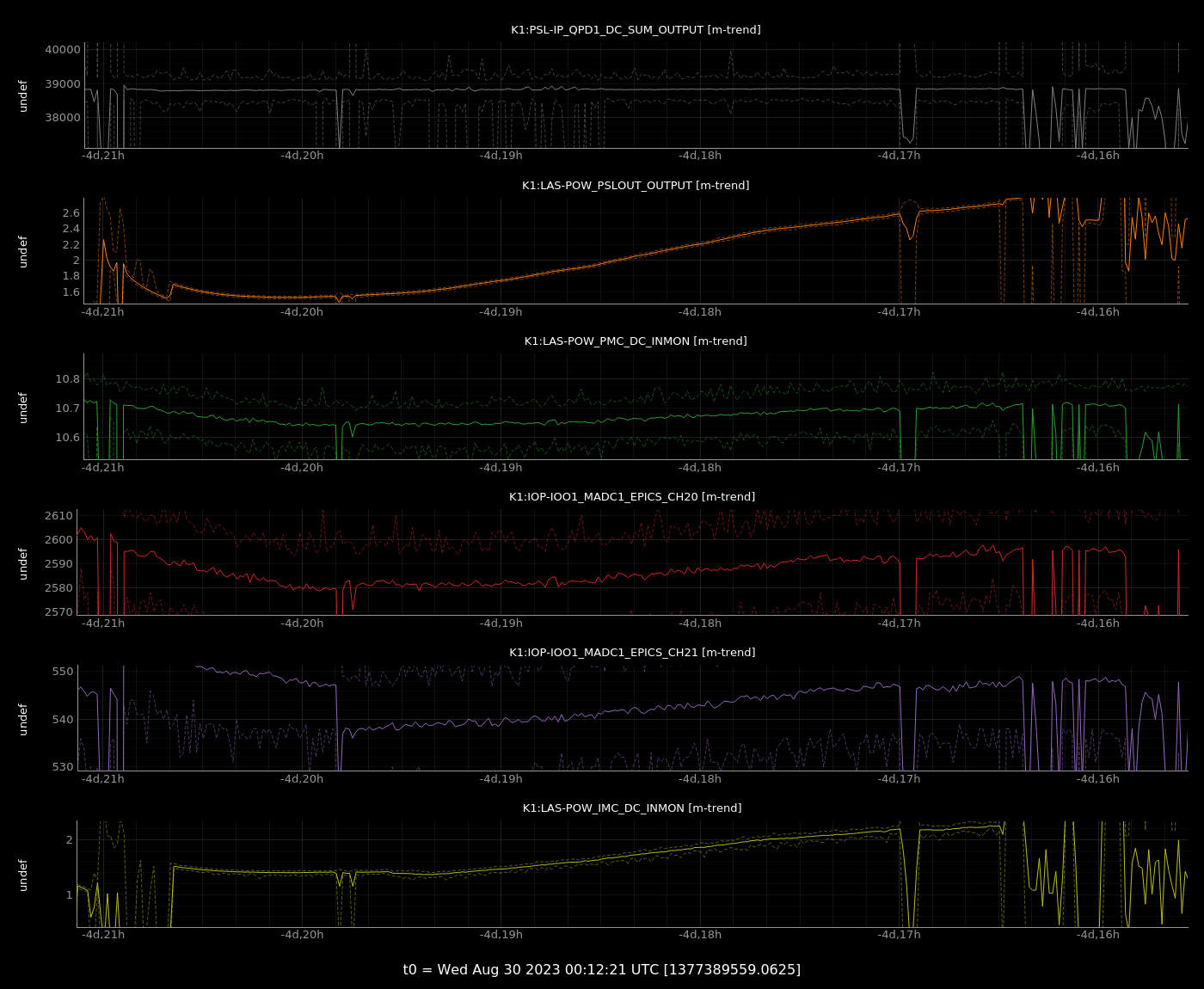
The second attachment shows the power trend when the P-pol/S-pol monitors were placed at one of the unused transmission port of the PMC.
Effectively, they are measuring the polarization content of the PMC transmitted beam before the EOM.

In this case, the PSL output power changed by a factor of 1.6, while the S-pol changed by 0.5% and P-pol changed by 2%.
Therefore, the polarization change is much larger for the beam after the EOM.

Images attached to this comment
yoichi.aso - 14:57 Wednesday 30 August 2023 (26537) Print this report

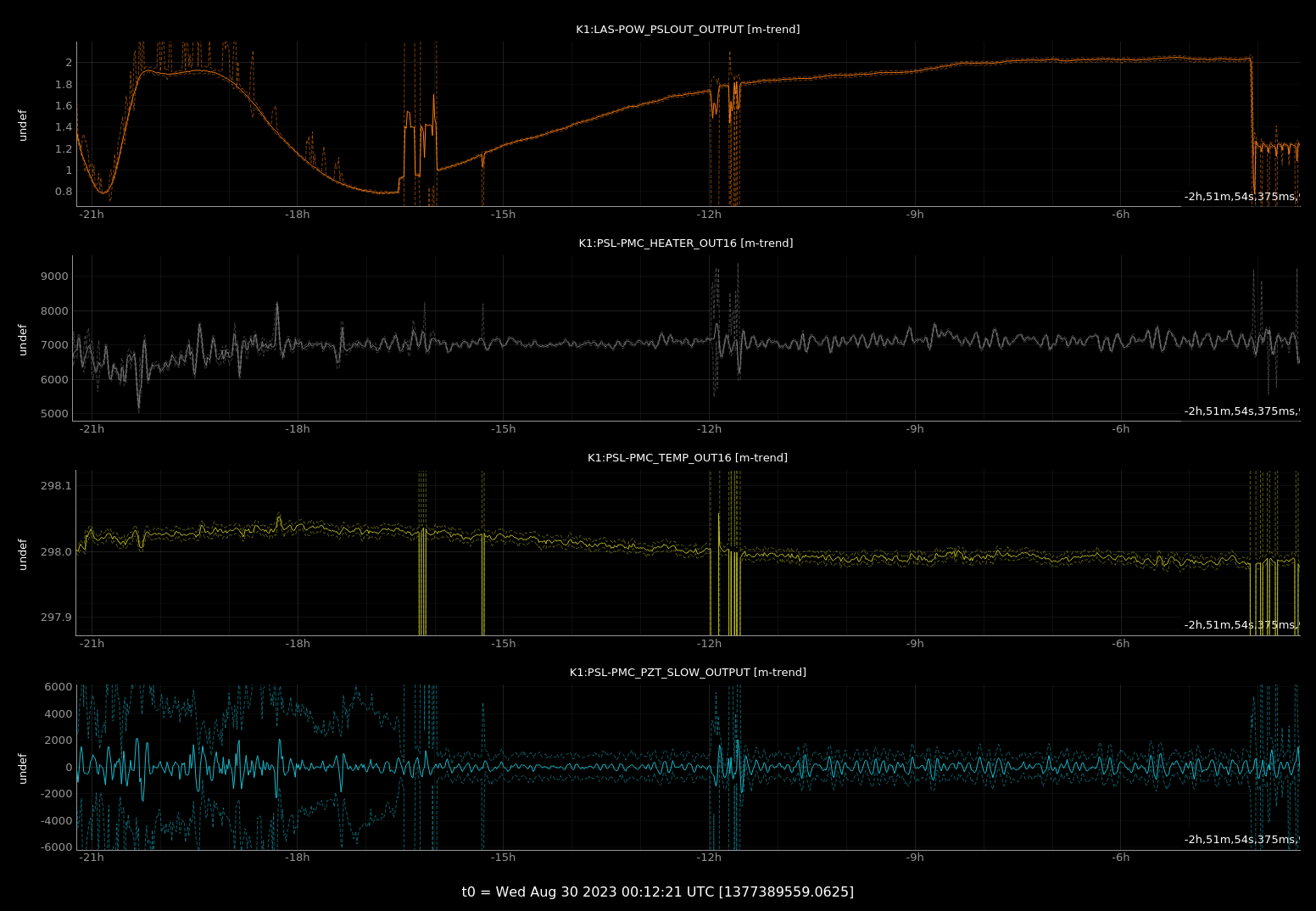
Attached is a trend plot of the PSL output power along with the PMC feedback signals.

There is no clear correlation between them.

Images attached to this comment
Search Help
×

Warning

×